Digital Reel Innovations: How Online Slots Integrate Advanced Features Across Global Markets
Jakob Foster · Nov 1, 2026

Digital Reel Innovations: How Online Slots Integrate Advanced Features Across Global Markets
Data from regulatory bodies shows that online slot games now represent a significant portion of digital gaming activity in multiple jurisdictions, with developers incorporating random number generators, return-to-player percentages, and progressive jackpot systems into their designs, and these elements connect through software platforms that support both desktop and mobile access while meeting technical standards set by licensing authorities in regions such as Nevada and parts of Europe.
Game providers release titles that feature mechanics including cascading reels, cluster pays, and multiplier systems, while these features rely on certified algorithms that ensure independent outcomes for each spin, and testing laboratories verify compliance before operators integrate the games into their catalogs.
Core Technical Components Behind Slot Functionality
Random number generators form the foundation of every online slot outcome, generating sequences that determine symbol positions without external influence, and developers publish RTP figures that indicate the theoretical percentage of wagered amounts returned to players over extended play periods, according to specifications shared by industry standards organizations.
Progressive jackpot networks link multiple games across different operators, accumulating portions of each bet into shared prize pools that grow until triggered, and this structure appears in titles offered by companies operating under oversight from bodies like the Nevada Gaming Control Board, where records track contribution rates and payout frequencies.
Mobile Optimization and Accessibility Patterns
Operators have adapted slot interfaces for smaller screens through HTML5 frameworks that maintain visual quality and touch responsiveness across devices, while integration with payment gateways allows deposits and withdrawals via digital wallets, bank transfers, and card systems that comply with encryption protocols required in licensed markets.
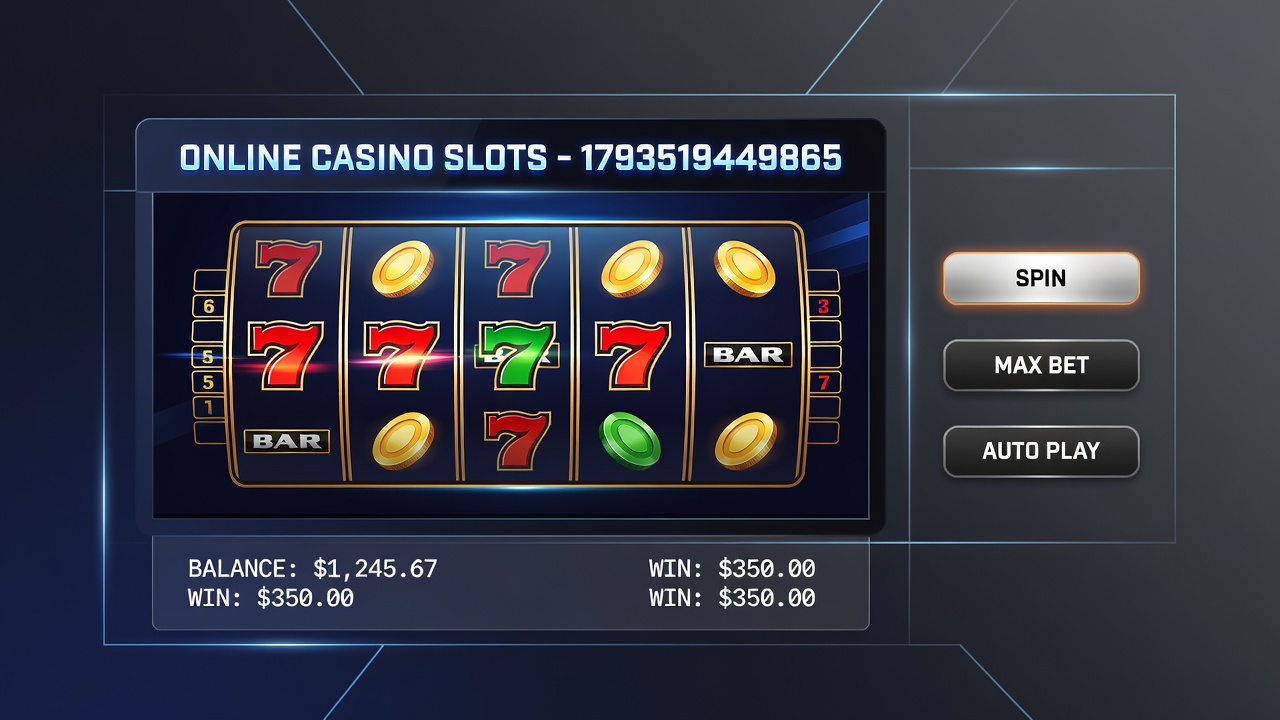
Studies conducted by academic institutions indicate that session lengths and engagement metrics vary when players access slots through applications versus browser-based versions, yet both formats deliver identical game logic and fairness certifications, and developers continue to refine loading times and animation smoothness to support consistent performance on varying network conditions.
Bonus Structures and Player Progression Systems
Free spin rounds, wild substitutions, and scatter-triggered events appear as standard elements in many releases, while loyalty programs track activity through points that unlock tiered rewards such as cashback percentages or exclusive game access, and these systems operate under rules that require clear disclosure of terms to participants in regulated environments.
Observers note that some titles combine live dealer elements with slot mechanics, creating hybrid experiences where players interact with real-time hosts during bonus phases, and this approach draws from technologies already established in other forms of remote gaming that maintain separate RNG and live components within the same platform.
Regulatory Developments and Market Data Trends
Authorities in various regions enforce age verification, responsible gaming tools, and transaction monitoring requirements that apply equally to slot offerings, and reports from organizations such as the American Gaming Association detail revenue contributions from digital slots within broader industry totals for specific quarters.
By November 2026, updates to technical standards in select jurisdictions had prompted providers to adjust game parameters including maximum stake limits and volatility settings to align with new compliance frameworks, while cross-border operators maintained separate libraries for different regulatory zones to ensure adherence to local specifications.
Payment Integration and Security Measures
Secure socket layer protocols and multi-factor authentication protect financial transactions linked to slot accounts, and operators publish average processing times for withdrawals that depend on verification status and chosen methods, according to operational summaries released by licensed entities.
Research from university-affiliated gaming laboratories continues to examine player behavior patterns associated with different slot configurations, providing datasets that inform both design choices and policy considerations without drawing causal conclusions beyond the recorded metrics.
Conclusion
Online slot offerings continue to evolve through incremental updates to software architecture, regulatory alignment, and distribution channels, with data from multiple international sources illustrating steady expansion in accessible formats and feature variety across established and emerging markets.