Transaction Routes Reshaping Incentive Layers and Player Advancement in Digital Play Platforms
Willa Franke · Aug 25, 2026
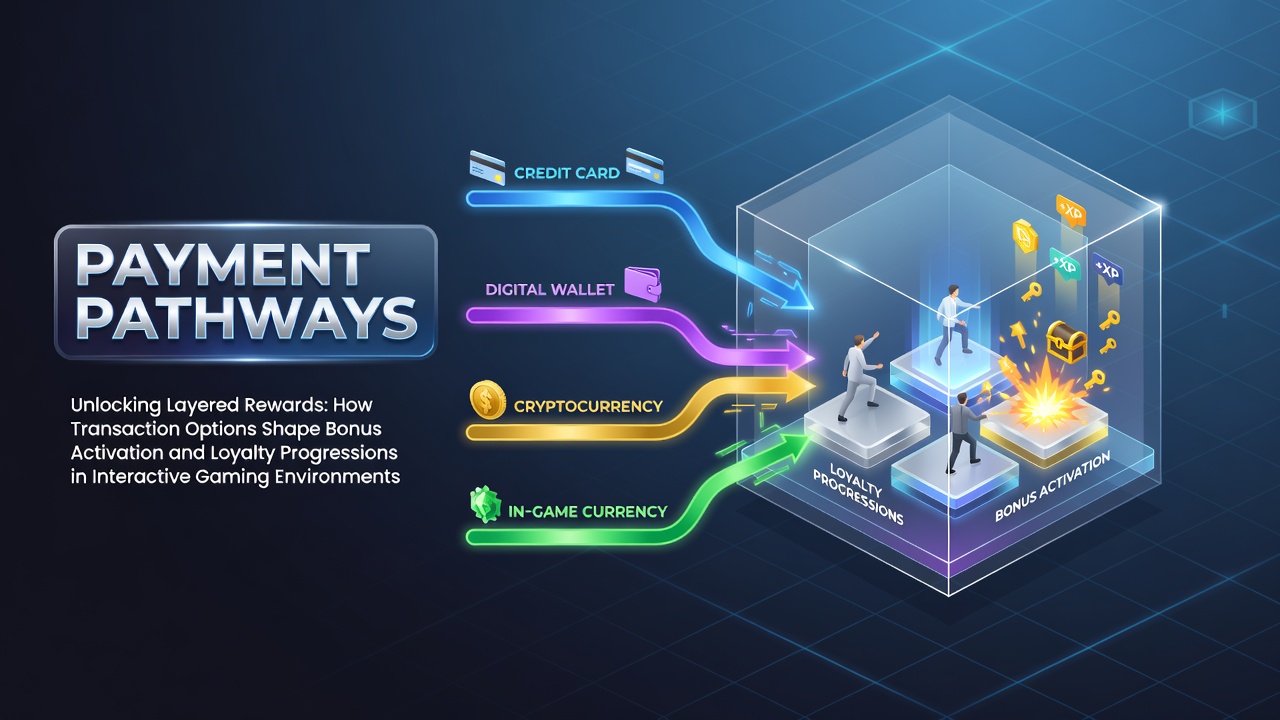
Transaction Routes Reshaping Incentive Layers and Player Advancement in Digital Play Platforms
Payment pathways have become central elements in how interactive gaming environments manage bonus activation and loyalty progressions, with transaction options directly influencing when and how rewards unlock for participants. Data from industry reports shows that choices such as bank transfers, digital wallets, and cryptocurrency deposits alter the timing of bonus triggers while also affecting the accumulation rates of loyalty points across various platforms.
Observers note that platforms integrate these options to create layered systems where faster processing methods often align with immediate bonus releases, whereas slower traditional routes may delay access until verification steps complete. Research indicates that such differences stem from backend processing speeds and regulatory compliance requirements that vary by region and provider.
Core Mechanics Linking Payments to Rewards
Transaction options shape bonus activation through specific rules embedded in platform software, where deposit amounts, payment types, and verification statuses determine eligibility for layered rewards. According to figures from the American Gaming Association, electronic methods like e-wallets activate promotional spins or match bonuses within minutes in many cases, while card-based payments can require additional hours for fund clearance before rewards post to accounts.
Those who've analyzed these systems point out that loyalty progressions follow similar patterns, with points accruing at accelerated rates when users select instant funding routes that bypass extended holds. Platforms track these interactions to adjust progression ladders, ensuring that consistent use of certain methods advances users through tiers more rapidly than sporadic or delayed transactions.
Regional Variations in Transaction Impacts
Studies from Canadian regulatory bodies reveal that payment preferences differ across markets, with North American players favoring credit options that tie directly into bonus multipliers, whereas European and Australian users often rely on local bank integrations that streamline loyalty point transfers. These variations create distinct progression paths, where a deposit via one method might unlock a VIP fast-track in one jurisdiction but only standard rewards in another.
August 2026 brought updates to several cross-border frameworks that clarified how transaction data feeds into loyalty algorithms, allowing platforms to refine bonus activation based on real-time funding patterns without altering core game mechanics.
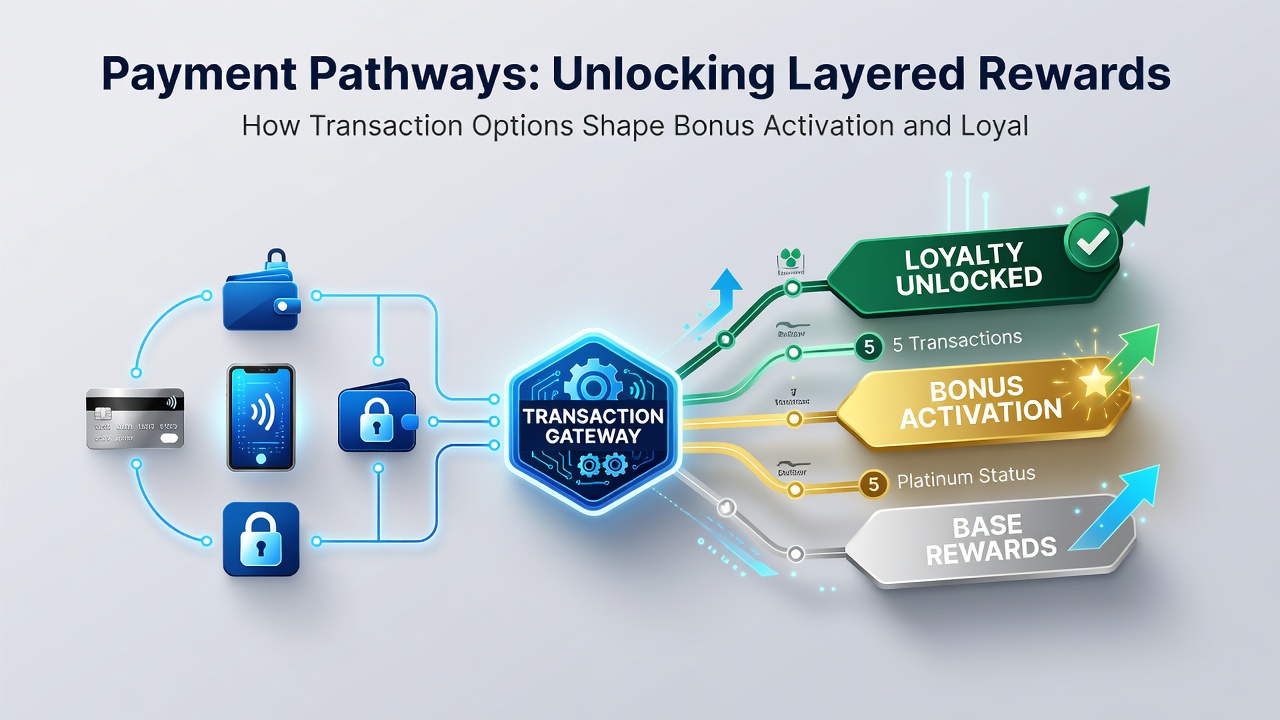
Examples of Layered Systems in Practice
One study from a European research institution examined how cryptocurrency deposits accelerate both bonus triggers and loyalty climbs by reducing intermediary steps, leading to same-day point awards in tested environments. In contrast, users opting for prepaid vouchers encountered staggered activations that required multiple transactions to reach equivalent tiers, highlighting how method selection influences overall progression speed.
Industry organizations such as the Interactive Gaming Council have documented cases where platforms link high-volume digital wallet activity to exclusive reward layers, including cashback escalators and event invitations that remain unavailable through slower payment channels. These connections demonstrate the direct role transaction options play in shaping access to advanced incentives.
Data Patterns Across Platforms
Evidence suggests that loyalty systems reward frequency and method consistency, with data showing higher retention among participants who align their funding choices with platform-preferred routes. Reports from Australian gaming authorities indicate that integrated payment APIs now feed directly into progression trackers, enabling automatic adjustments to bonus thresholds based on transaction velocity and volume.
What's interesting is how these integrations reduce friction for certain users while maintaining compliance checks that affect others, creating parallel paths within the same environment. Observers note that platforms monitor these flows to balance incentive distribution without favoring any single method exclusively.
Conclusion
Transaction options continue to define the boundaries of bonus activation and loyalty progressions in interactive gaming environments, with payment pathways serving as the operational links between user actions and reward outcomes. Figures from multiple regulatory sources confirm that these mechanics operate through standardized protocols that adapt to regional requirements while preserving core progression structures. As platforms refine these connections, the relationship between funding methods and layered incentives remains a key factor in how participants advance through digital play systems.